Pages

Showing posts with label lists. Show all posts

Monday, 22 December 2025

Reading and viewing plans for 2026


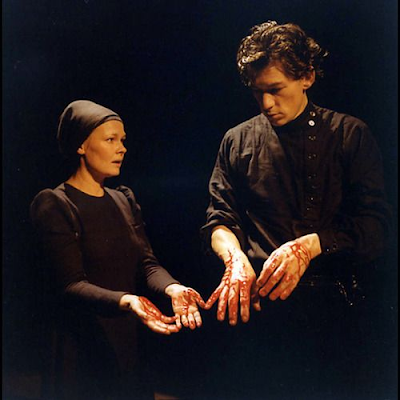
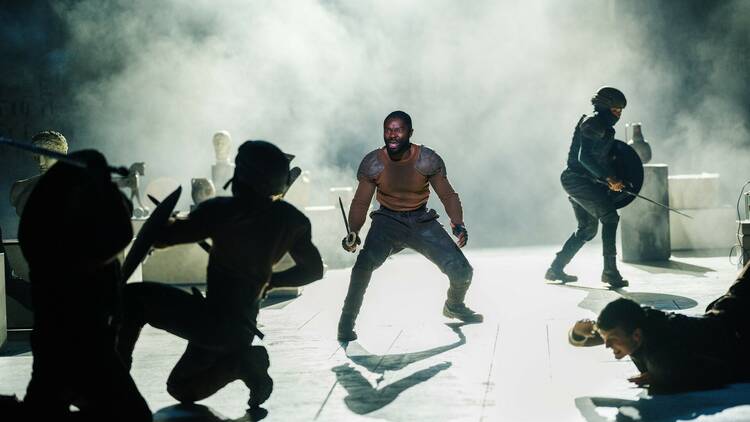
Two Pride and Prejudice series are coming up: a Netflix straight adaptation (top) and The Other Bennet Sister by the BBC (bottom). 


1/ I wrote in December 2024

“Even if there is little impact, I can’t help feeling an urge to fight against anti-intellectualism and inverted snobbery, against identity politics and Critical Race Theory, against philistinism and the School of Resentment. 

One of the ways to fight is reading and analysing and promoting classic books.

[…] Even if the philistines and authoritarians win, even if the public becomes increasingly ignorant of classic works because of tiktoks and a million other distractions, I will not lose—because these books I read are mine.” 

That still stands. 

Compare the reading ideas in that blog post and the recent post about my reading in 2025, I’ve done quite well, haven’t I? So for next year, I intend to: 

  • Continue getting to know ancient Greek literature and culture. 
  • Explore the ancient Rome. 
  • Start on the King James Bible. 

These are the main reading projects. Why the Bible? some of you might ask. It’s one of the most important texts in the world, and one of the texts that shaped Western civilisation. I read Western literature not knowing any of the Biblical stories; I wander through the National Gallery not catching any of the religious references; that has to change. Shakespeare is going to look very different once I have read Ovid and the Bible.

As my interest in the Bible is literary rather than religious, I guess I don’t need to explain why I’m going for the King James version rather than something more modern.

Some other reading ideas scattering around: 

  • Read more Dickens, possibly Our Mutual Friend
  • Explore more of the 18th century. 
  • Read some non-Western books (such as the Akutagawa book I recently bought on impulse in Jakarta). 
  • Possibly reread Wuthering Heights.


2/ There are quite a few adaptations of classics that are currently out or soon appearing: 

  • Guillermo del Toro’s Frankenstein: you don’t expect me to watch this one, do you? This is by one of the worst directors working today. 
  • Emerald Fennell’s Wuthering Heights: all the promos I have seen—the trailer especially—tell me that the writer-director has not read the novel. I might however watch it for a laugh. 
  • Chloe Zhao’s Hamnet: no, I don’t intend to watch a film about Shakespeare when the director says she understands about a third of Shakespeare’s language and has to rely on the actor—not a Shakespearean actor and not an expert—for interpretation. 
  • Christopher Nolan’s The Odyssey: everything tells me I’m going to hate this film—why is Hollywood scared of colours?—but bring it on, I’m ready to yell at Nolan. 
  • Euros Lyn’s Pride and Prejudice (Netflix): do we really need another version of Pride and Prejudice? The perfect version exists (1995). I don’t really like Jack Lowden and Emma Corrin as Mr Darcy and Elizabeth Bennet, and don’t have any positive feelings towards Netflix—the only appeal is Olivia Colman as Mrs Bennet. I might still see it though, unless it turns out to be like Netflix’s Persuasion
  • Jennifer Sheridan’s The Other Bennet Sister (BBC): we have another Pride and Prejudice series coming up, but this one looks more interesting as it does something different—focuses on Mary Bennet—and seems to have more colours. 
  • Georgia Oakley’s Sense and Sensibility: there isn’t much to say as I haven’t seen anything about this upcoming film except the cast. Would it be as good as the Ang Lee film? Most likely not. But I don’t think anyone’s going to disagree that, much as we love Emma Thompson, she’s a bit too old for Elinor. 
  • Emma Frost’s The Age of Innocence (Netflix): look, can this possibly match the perfection that is the Martin Scorsese film? Daniel Day-Lewis? Michelle Pfeiffer? Winona Ryder? We don’t need another adaptation.   

What did I miss? 


3/ I don’t really have any plans for film watching, other than that I’d like to watch more films from the 1930s. 

Sunday, 21 December 2025

2025: an exciting year in reading, viewing, travelling


Me wearing a Thai traditional dress. 


Literature 

In terms of reading, this has been a fantastic year. The main highlight was my discovery of ancient Greek literature: I read the Iliad and the Odyssey (and became a Homer obsessive), 4 plays by Aeschylus (5 if you count Prometheus Bound), 6 plays by Sophocles (1 left), 10 plays by Euripides, 5 by Aristophanes. Is there a more glorious period for theatre than 5th century BC in Athens? Elizabethan/ Jacobean England had Shakespeare, but here were four great writers working around the same time, and I was glad to discover that they did certain things that Shakespeare didn’t do. My favourite is Sophocles.

An Odyssey: A Father, a Son, and an Epic by Daniel Mendelsohn is also a very good book, not only as a companion for Homer but as a memoir on its own. 

In 2025, I also discovered Molière (funnier than Shakespeare); read David Copperfield; explored more of the 18th century with Tom Jones and Gulliver’s Travels; had my first encounter with Goethe; read Elizabethan and Jacobean revenge plays; reread a few Shakespeare plays and read part of Shakespeare After All, an excellent book by Marjorie Garber; read 4 plays by Seneca (whom I did not like) and the Aeneid (which is nowhere near as great as the Iliad and the Odyssey, come on); read more Ibsen (cold and uncompromising) and Flannery O’Connor (cold and uncompromising); read Gilead by Marilynne Robinson, a living writer (shocking, I know). So many great books in a year! 

The highlight in nonfiction is The Drowned and the Saved—my favourite nonfiction writer might actually be Primo Levi. 

The main disappointment of this year—unless I forget anything else more disappointing—is about Oliver Sacks. 

Cinema and theatre 

Let’s start with Shakespeare. I saw 4 great productions: Coriolanus (2024, dir. Lyndsey Turner, with David Oyelowo in the main role), Othello (2013, dir. Nicholas Hytner, with Adrian Lester in the main role), Othello (onstage at Theatre Royal Haymarket, dir. Tom Morris, with David Harewood in the titular role), and Julius Caesar (2018, dir. Nicholas Hytner, with Ben Whishaw as Brutus). Watch them you must, especially the first three. David Harewood’s Othello is still at Theatre Royal Haymarket in London till some time in January. That one and Coriolanus make me glad that there are still great Shakespeare productions (just not at the Globe), that there are still brilliant directors who take Shakespeare seriously and understand the plays, that there are wonderful Shakespearean actors. 

I also saw King Lear (2018, with Ian McKellen), Hamlet (2009, with David Tennant), and Macbeth (the Roman Polanski film from 1971). Not great, but all have something interesting in them. 

Apart from Shakespeare, the main highlight of 2025 was the 1977 series Anna Karenina, the 7th and best adaptation I’ve seen of Tolstoy’s novel. Yes, I’ve seen 7—I’m insane—and would probably watch more though I don’t think anything can be as good as the 1977 series, as Nicola Pagett is the best Anna Karenina and the entire cast is perfect. If you don’t know what to watch for the Christmas and New Year season, go for this—it’s 10 episodes. 

Another highlight is that I watched more films from the 1930s, which I hadn’t known as well as the 40s-70s. 

The 10 best films of 2025 (in chronological order and not counting revisits): 

  • Frankenstein (1931) 
  • It Happened One Night (1934) 
  • My Darling Clementine (1946) 
  • Harakiri (1962) 
  • Tom Jones (1963) 
  • The Servant (1963) 
  • Young Frankenstein (1974)
  • Perfect Blue (1997) 
  • Spirited Away (2001) 
  • In Bruges (2008)

The list might be slightly different tomorrow (which I guess is the way things usually go with these lists). 

The best documentary I’ve seen this year is Groomed: A National Scandal (released earlier this year), which everyone should see. 

Travelling 

I’ve only just realised that I did 6 work trips this year: to Washington, DC (February); Geneva (March and July); Prague (November); Jakarta (November); Bangkok (November – December). No wonder I’m now burnt out and ill. 

More excitingly, my Washington, DC trip was my first time in the US; and my trips to Jakarta and Bangkok were my first return to Southeast Asia since I left Vietnam 16 years ago.  

This has been fun. 

Merry Christmas and Happy New Year, everyone! 


Update on 22/12: I forgot that in 2025, I also read Judi Dench’s Shakespeare, a delightful book that not only tells behind-the-scenes stories but also offers lots of interesting insight into Shakespeare’s plays and characters; I also discovered Hayao Miyazaki. 

Saturday, 11 October 2025

100 latest films and plays I've watched

From December 2024 to October 2025 

In bold: films and plays I think are good 


1/ Až přijde kocour (When the Cat Comes/ The Cassandra Cat - Czechoslovakia - 1963) 

2/ Lekce Faust (Faust - Czech Republic, France, UK, US, Germany - 1994) 

3/ Cléo de 5 à 7 (Cléo from 5 to 7 - France, Italy - 1962)

4/ To Be or Not to Be (1942)

5/ Kedi (Turkey - 2016) 

6/ A Midsummer Night's Dream (2024, Royal Shakespeare Company, dir. Eleanor Rhode, starring Mathew Baynton as Bottom) - onstage 

7/ I Slept with 100 Men in One Day (2024)

8/ The Wizard of Oz (1939) 

9/ Burning Sun: Exposing the Secret K-pop Chat Groups (2024) 

10/ The Ladykillers (1955) 

___________________________________

11/ Cien Años de Soledad (One Hundred Years of Solitude - Colombia - 2024) - Series 1, 8 episodes

12/ Nosferatu – Eine Symphonie des Grauens (Nosferatu: A Symphony of Horror - Germany - 1922) 

13/ Daughters of Darkness (Belgium, France, West Germany - 1971) 

14/ In Bruges (2008)

15/ PinkNews: Behind Closed Doors (2024) 

16/ The Man in the White Suit (1951)

17/ Nosferatu (2024) 

18/ Dispatches: Beneath the Veil (2001) 

19/ The Lavender Hill Mob (1951)

20/ A Real Pain (2024) 

21/ Wonka (2023)

22/ It Happened One Night (1934) 

23/ The Palm Beach Story (1942)

24/ Midnight (1939) 

25/ Cleopatra (1934) 

26/ A Star Is Born (2018) 

27/ The Flame of New Orleans (1941)

28/ Coriolanus (2024, National Theatre, dir. Lyndsey Turner, with David Oyelowo as Coriolanus) 

29/ King Lear (2018, National Theatre, dir. Jonathan Munby, with Ian McKellen as Lear) 

30/ The Brutalist (2024) 

31/ Othello (2013, National Theatre, dir. Nicholas Hytner, with Adrian Lester as Othello) 

32/ Julius Caesar (2018, National Theatre. dir. Nicholas Hytner, with Ben Whishaw as Brutus) 

33/ Mahanagar, aka The Big City (India - 1963) 

34/ Anora (2024)

35/ L'Amour l'après-midi (Love in the Afternoon - France - 1972) 

36/ Hunting the Catfish Crime Gang (2023) 

37/ Panorama - My Online Stalker (2025) 

38/ Eye Investigations: Liked, Lured, Livestreamed (2025) 

39/ Moonstruck (1987)

40/ Le ballon rouge (The Red Balloon - France - 1956) 

41/ Heathers (1988) 

42/ Tom Jones (1963) 

43/ The Big Clock (1948) 

44/ Groomed: A National Scandal (2025) 

45/ Eye Investigations: Make Me Perfect: Manufacturing Beauty in China (2025) 

46/ 晩菊 (Late Chrysanthemums - Japan - 1954) 

47/ Macbeth (1971) 

48/ 龍門客棧 (Dragon Inn - Taiwan - 1967) 

49/ Cyrano de Bergerac (France, Hungary - 1990) 

50/ Hamlet (2009, RSC, ft. David Tennant) 

51/ Paper Moon (1973)

52/ タンポポ (Tampopo - Japan - 1985) 

53/ Diddy in Plain Sight: UNTOLD (2025) 

54/ Mission: Impossible – Dead Reckoning Part One (2023) 

55/ Mission: Impossible – The Final Reckoning (2025) 

56/ Stacey Dooley: Meet the Shoplifters (2025) 

57/ Anna Karenina (1977) - 10 episodes 

58/ Mansfield Park (1983) - 6 episodes 

59/ Pride and Prejudice (2005) - again 

60/ North and South (2004) - 4 episodes 

61/ Братья Карамазовы (The Brothers Karamazov - Soviet Union - 1969) 

62/ Straume (Flow - Latvia, France, Belgium - 2024)

62/ The Apartment (1960) - again

63/ The Servant (1963) 

64/ Some Like It Hot (1959) - again 

65/ Ball of Fire (1941) 

66/ The Importance of Being Earnest (1952) 

67/ Kiss Me, Stupid (1964) 

68/ Citizen Kane (1941) - again 

69/ Sound of Metal (2019)

70/ My Man Godfrey (1936) 

71/ The Naked Gun (2025) 

72/ Odd Man Out (1947) 

78/ 12 Angry Men (1957) - again 

79/ Ninotchka (1939)

80/ Frankenstein (1931) 

81/ Bride of Frankenstein (1935)

82/ 千と千尋の神隠し (Spirited Away - Japan - 2001)

83/ Casablanca (1942) - again 

84/ The Plot Against Harry (1971)

85/ The Three Faces of Eve (1957) 

86/ Poor Things (2023) 

87/ Young Frankenstein (1974) 

88/ High Anxiety (1977) 

89/ Dark Waters (2019) 

90/ Dracula (1931, English-language version) 

91/ Son of Frankenstein (1939) 

92/ Dr Jekyll and Mr Hyde (1931) 

93/ The Invisible Man (1933) 

94/ The Black Cat (1934) 

95/ The Return (2024)

96/ The Public Enemy (1931) 

97/ Steve Jobs (2015)

98/ パーフェクトブルー (Perfect Blue - Japan - 1997)

99/ ハウルの動く城 (Howl's Moving Castle - Japan - 2004) 

100/ となりのトトロ (My Neighbour Totoro - Japan - 1988) 

Monday, 18 August 2025

Ranking Shakespeare [updated]

On 6/4/2023, after reading all of Shakespeare’s plays, I created this blog post ranking the plays and characters. All the lists are now updated. 


My 5 favourite plays:

King Lear

Macbeth 

Othello

The Winter’s Tale 

Antony and Cleopatra 


My 15 favourite plays: 

Macbeth 

Othello

King Lear

Antony and Cleopatra

The Winter’s Tale 

Hamlet 

Measure for Measure 

Henry IV, Part 1 

Henry IV, Part 2 

Twelfth Night 

The Merchant of Venice 

A Midsummer Night’s Dream 

Richard II

Julius Caesar 

Coriolanus 


5 greatest male characters:

Macbeth in Macbeth 

Hamlet in Hamlet

Iago in Othello

Falstaff in Henry IV plays (not The Merry Wives of Windsor

Shylock in The Merchant of Venice 


5 favourite male characters:

Mercutio in Romeo and Juliet 

Falstaff in Henry IV plays (not The Merry Wives of Windsor

Barnardine in Measure for Measure 

Benedick in Much Ado About Nothing 

The Fool in King Lear 


5 greatest female characters:

Cleopatra in Antony and Cleopatra 

Lady Macbeth in Macbeth 

Rosalind in As You Like It

Viola in Twelfth Night 

Isabella in Measure for Measure 


5 favourite female characters: 

Beatrice in Much Ado About Nothing

Emilia in Othello 

Hermione in The Winter’s Tale

Rosalind in As You Like It  

Margaret in Henry VI Part 2, Henry VI Part 3, and Richard III (not Henry VI Part 1)


Favourite couple:

Beatrice and Benedick in Much Ado About Nothing


Favourite non-speaking character: 

Crab the dog in The Two Gentlemen of Verona 


5 most evil characters: 

Iago in Othello 

Goneril in King Lear 

Regan in King Lear

Leontes in The Winter’s Tale 

Richard III in Richard III 


10 favourite Shakespeare productions and films: 

Macbeth (1979), dir. Trevor Nunn, with Ian McKellen as Macbeth and Judi Dench as Lady Macbeth 

King Lear (2016), dir. Michael Buffong, with Don Warrington as Lear 

The Winter’s Tale (1999), dir. Gregory Doran, with Antony Sher as Leontes 

Hamlet (1990), dir. Kevin Kline, with Kevin Kline as Hamlet 

Coriolanus (2024), dir. Lyndsey Turner, with David Oyelowo as Coriolanus 

Henry IV Part 1 and Henry IV Part 2 (1979), dir. David Giles, with David Gwillim as Hal and Anthony Quayle as Falstaff 

Twelfth Night (1988), dir. Kenneth Branagh, with Frances Barber as Viola and Richard Briers as Malvolio 

Measure for Measure (1979), dir. Desmond Davis, with Kate Nelligan as Isabella 

Othello (2013), dir. Nicholas Hytner, with Adrian Lester as Othello and Rory Kinnear as Iago 

The Taming of the Shrew (1976), dir. William Ball and Kirk Browning, with Marc Singer as Petruchio 

Bonus: 

Ran (1985), dir. Akira Kurosawa 


+10 favourite books about Shakespeare: 

Prefaces to Shakespeare by Tony Tanner

Shakespearean Tragedy: Lectures on Hamlet, Othello, King Lear and Macbeth by A. C. Bradley

The Wheel of Fire by G. Wilson Knight 

The Crown of Life by G. Wilson Knight 

The Imperial Theme by G. Wilson Knight  

What Happens in Hamlet by John Dover Wilson 

Shakespeare After All by Marjorie Garber 

The Genius of Shakespeare by Jonathan Bate

Soul of the Age by Jonathan Bate 

Shakespeare: The World As Stage by Bill Bryson 

Shakespeare by Anthony Burgess 


Now give me your lists. 

Friday, 15 August 2025

My 20 favourite plays not by Shakespeare

There was a time when pretty much all I read was novels and short stories; the plays I knew were those assigned at school or university. Then I got into Shakespeare and my favourite plays a couple of years ago were all by Shakespeare. 

But now I have got a better grasp of drama, especially classical drama, so here’s a list of favourites that aren’t by Shakespeare (listed chronologically by the dramatist’s birth year, and grouped by country): 

  • The Oresteia by Aeschylus, which is actually three plays: Agamemnon, Libation Bearers, and Eumenides 
  • Prometheus Bound, attributed to Aeschylus 
  • Oedipus the King 
  • Antigone 
  • Electra by Sophocles 
  • Hippolytus 
  • Hecabe 
  • The Bacchae by Euripides 
  • Lysistrata 
  • The Frogs by Aristophanes 
  • Doctor Faustus by Christopher Marlowe 
  • The Duchess of Malfi by John Webster 
  • The Changeling by Thomas Middleton and William Rowley 
  • The Revenger’s Tragedy by Thomas Middleton or Cyril Tourneur 
  • Life Is a Dream by Pedro Calderón de la Barca 
  • Tartuffe 
  • Don Juan 
  • The Misanthrope by Molière 
  • Phèdre by Jean Racine 
  • The Wild Duck by Henrik Ibsen 


______________________________________


What can we see here? My tastes are predominantly Greek (and Shakespearean): 10 out of 20 plays are by the Athenian playwrights (or 12 out of 22 if you don’t count the Oresteia as one). Molière is another favourite. 

Only one play from the 19th century. No Goethe. No Chekhov—is that a surprise?I struggled with his plays, having read only two, and much prefer him as a short story writer. No Oscar Wilde, simply because I haven’t read him—if “allowed” to include plays I’ve seen onscreen, I would name The Importance of Being Earnest (though it’s hard to say which play I would remove to make place for it). 

No Tennessee Williams, whom I liked at university. No one contemporary, but then the only one I know is Tom Stoppard—one day I’m going to read Rosencrantz and Guildenstern Are Dead, which I would probably like. 

Now this list is a bit of a cheat—a list of favourite plays, by Shakespeare and other dramatists, would be much, much harder. 

Name your favourite plays. 

Friday, 16 May 2025

Some Shakespearean performances I wish to have seen

As I have been reading Judi Dench’s Shakespeare: The Man Who Pays the Rent (a very enjoyable read) and just updated my list of favourite Shakespearean performances, here’s a shortlist of performances I wish to have seen:

  • 17th century: 

Richard Burbage as Hamlet, Othello, Macbeth (obviously, he worked directly with our man) 

  • 18th century: 

Sarah Siddons as Lady Macbeth (because William Hazlitt calls her “Tragedy personified” and this is her most famous role) 

  • 19th century: 

Ellen Terry as Lady Macbeth (I mean, have you seen Sargent’s painting? I’ve also seen the dress in person) 

Sarah Siddons as Hermione (because of some commentaries I’ve read in The Winter’s Tale Casebook 

  • 20th century: 

Vivien Leigh as Lady Macbeth (I’m curious about her performance) and Cleopatra (come on, she must have been great in the role) 

Diana Rigg as Lady Macbeth (the best Regan I have seen, she would have been great as Lady Macbeth) 

Ralph Richardson as Falstaff (he’s part of the trinity, and extraordinary in everything I’ve seen) 

Judi Dench as Gertrude with Daniel Day-Lewis as Hamlet (come on, that sounds amazing, I also like Judi Dench’s analysis of Gertrude and the play) 

Judi Dench as Isabella (I like her comments on the character) 

  • 21st century: 

Frances Barber as Cleopatra (she is Cleopatra, I have heard her on audio and wish I had seen her onstage) 

Give me your list. 

My 50 favourite Shakespearean performances onscreen and onstage

The 30 list was first published on 29/12/2023. It is now updated. 

In chronological order. 


Robert Shaw as Claudius in Hamlet at Elsinor (1964)  
Michael Aldridge as Pistol in Chimes at Midnight (1965) 
Olivia Hussey as Juliet in Romeo and Juliet (1968) 
Leonard Whiting as Romeo in Romeo and Juliet (1968)
Diana Rigg as Helena in A Midsummer Night’s Dream (1968) 
Laurence Olivier as Shylock in The Merchant of Venice (1973) 
Jeremy Brett as Berowne in Love’s Labour’s Lost (1975) 
Marc Singer as Petruchio in The Taming of the Shrew (1976) 
Ian McKellen as Macbeth in Macbeth (1979) 
Judi Dench as Lady Macbeth in Macbeth (1979)
David Gwillim as Hal/ Henry V in the Henry IV plays and Henry V (1979) 
Anthony Quayle as Falstaff in the Henry IV plays (1979) 
Jon Finch as Henry IV in the Henry IV plays (1979)  
Tim Pigott-Smith as Hotspur in Henry IV, Part 1 (1979) 
Kate Nelligan as Isabella in Measure for Measure (1979) 
Anthony Hopkins as Othello in Othello (1981) 
Bob Hoskins as Iago in Othello (1981) 
Michael Hordern as Lear in King Lear (1982) 
Anton Lesser as Edgar in King Lear (1982) 
Penelope Wilton as Regan in King Lear (1982) 
Michael Pennington as Posthumus in Cymbeline (1982) 
Robert Lindsay as Iachimo in Cymbeline (1982) 
Robert Lindsay as Edmund in King Lear (1983) 
Diana Rigg as Regan in King Lear (1983)
Cherie Lunghi as Beatrice in Much Ado About Nothing (1984) 
Robert Lindsay as Benedick in Much Ado About Nothing (1984)
Richard Briers as Malvolio in Twelfth Night (1988) 
Frances Barber as Viola in Twelfth Night (1988)  
Kevin Kline as Hamlet in Hamlet (1990) 
Ian McKellen as Iago in Othello (1990) 
Imogen Stubbs as Desdemona in Othello (1990)
Helena Bonham Carter as Olivia in Twelfth Night (1990) 
Antony Sher as Leontes in The Winter’s Tale (1999) 
Ian Hughes as Autolycus in The Winter’s Tale (1999) 
Ralph Fiennes as Coriolanus in Coriolanus (2011) 
Vanessa Redgrave as Volumnia in Coriolanus (2011)
Amy Acker as Beatrice in Much Ado About Nothing (2012) 
Adrian Lester as Othello in Othello (2013) 
Don Warrington as Lear in King Lear (2016) 
Miltos Yerolemou as the Fool in King Lear (2016)
Thomas Coombes as Oswald in King Lear (2016)
Ian McKellen as Lear in King Lear (2018) 
Ben Whishaw as Brutus in Julius Caesar (2018) 
Kathryn Hunter as the Witches in Macbeth (2021) 
David Oyelowo as Coriolanus in Coriolanus (2024) 
Mathew Baynton as Bottom in A Midsummer Night’s Dream (2024) 
.
.
.

Wednesday, 26 March 2025

The 10 best films of every decade from the 1940s to the 2010s (2025 list)

My personal list, maybe idiosyncratic. Some are firm choices, some may be different tomorrow.


- The 40s:

The Great Dictator (1940)

Citizen Kane (1941)

Casablanca (1942)

To Be or Not to Be (1942) 

Gaslight (1944)

Brief Encounter (1945)

Bicycle Thieves (1948)

The Treasure of the Sierra Madre (1948)

The Heiress (1949)

Kind Hearts and Coronets (1949) 


- The 50s:

All about Eve (1950)

Sunset Boulevard (1950)

In a Lonely Place (1950)

A Streetcar Named Desire (1951)

Ace in the Hole (1951) 

The Flavour of Green Tea over Rice (1952) 

A Star Is Born (1954) 

12 Angry Men (1957)

Wild Strawberries (1957)

Room at the Top (1959)


- The 60s:

The Apartment (1960)

The Innocents (1961) 

Yojimbo (1961)

The Exterminating Angel (1962)

8 ½ (1963)

Woman in the Dunes (1964) 

Charulata (1964) 

Kwaidan (1965) 

Persona (1966)

La piscine (1969) 


- The 70s:

Cries and Whispers (1972) 

The Godfather (1972) and The Godfather Part II (1974) 

Love in the Afternoon (1972) 

Amarcord (1973) 

The Conversation (1974)

Chinatown (1974) 

The Phantom of Liberty (1974) 

Dog Day Afternoon (1975)

Taxi Driver (1976)

Stalker (1979) 


- The 80s:

The Draughtsman's Contract (1982)

Fanny and Alexander (1982) 

Ran (1985)

My Girlfriend's Boyfriend (1987)

Dangerous Liaisons (1988)

Alice (1988)  

A Fish Called Wanda (1988) 

Sex, Lies, and Videotape (1989)

Crimes and Misdemeanors (1989) 

Cinema Paradiso (1989) 


- The 90s:

Rosencrantz & Guildenstern Are Dead (1990)

Raise the Red Lantern (1991)

The Double Life of Veronique (1991)

The Silence of the Lambs (1991)

Thelma & Louise (1991)

Farewell my Concubine (1993) 

To Live (1994)

Happy Together (1997)

L. A. Confidential (1997) 

Run Lola Run (1998)


- The 2000s:

Memento (2000)

The Pianist (2002)

Spring, Summer, Fall, Winter... and Spring (2003)

Memories of Murder (2003) 

The Aviator (2004)

Sideways (2004) 

Brokeback Mountain (2005)

Babel (2006) 

The Lives of Others (2006) 

Before the Devil Knows You’re Dead (2007)


- The 2010s:

The Dance of Reality (2013) 

The Grand Budapest Hotel (2014) 

Our Little Sister (2015) 

The Handmaiden (2016) 

Phantom Thread (2017) 

The Square (2017) 

Shoplifters (2018) 

Parasite (2019) 

Pain and Glory (2019) 

Little Women (2019) 

Thursday, 13 March 2025

On watching Shakespeare

1/ The more Shakespeare I watch, the more convinced I am that it’s essential to both read and watch Shakespeare. 

Read, to savour the poetry and have our own interpretations. Watch, to see different interpretations and approaches and perhaps gain a deeper understanding of the plays. 

For instance, the Ian McKellen – Judi Dench production shaped my interpretation of the Macbeths. The Winter’s Tale I have always loved, but I didn’t quite see the point of Autolycus and thought the play lacked harmony until watching the Antony Sher production (with Ian Hughes playing Autolycus). The Taming of the Shrew appears misogynistic when performed as serious drama like the BBC production with John Cleese, but it is a romp when the ACT goes for commedia dell’arte and casts Marc Singer and Fredi Olster, a great match in wit, energy, and magnetism (also, Marc Singer is hot). And so on. 


2/ One fun thing about watching different productions is that you can enjoy different aspects of them. 

Not counting Ran and the Kozintsev film, I have seen 5 different versions of King Lear: the Michael Buffong production from 2016 (ft. Don Warrington), the Jonathan Miller one from 1982 for the BBC (ft. Michael Hordern), the Michael Elliott one from 1982 (ft. Laurence Olivier), the 1971 Peter Brook film (ft. Paul Scofield), and the Jonathan Munby one from 2018 (ft. Ian McKellen). 

Don Warrington, Michael Hordern, and Ian McKellen are all wonderful as Lear.

The best Goneril? Rakie Ayola (2016). 

The best Regan? Diana Rigg (1983). 

The best Edgar? Anton Lesser (1982). 

The best Edmund? Robert Lindsay (1983). 

The best Fool? Miltos Yerolemou (2016). 

The best Cordelia? Brenda Blethyn (1982). 

The best Oswald? Thomas Coombes (2016). 

In the 2018 production, next to the magnificent Ian McKellen, the cast is lacklustre and uninspired, but I like that Kirsty Bushell does something different—she explicitly portrays Regan as sexually aroused by violence. 


3/ You know what, now that I have seen 4 different productions of Othello and see 3 very different but all brilliant Iagos (Ian McKellen, Bob Hoskins, and Rory Kinnear), I would say that Shakespeare doesn’t need to be updated or subverted or made “accessible to modern audiences”. Race-bending or gender-swapping is not necessarily a problem: Don Warrington and David Oyelowo are excellent as Lear and Coriolanus respectively, the productions respect the texts and don’t make a point about the actors being black; an Othello in which Othello is white and the rest is black is an interesting idea; an Othello in which Iago is black also sounds like an interesting idea, as it brings the two characters closer to each other and the plot even more disturbing… But too often, you can tell the directors make certain choices only for the sake of being “modern” or “bold” or “subversive”, you can tell they do certain things because they want to be “inclusive” or impose their ideology or make a political statement, you can tell they have no respect for and most likely no deep understanding of Shakespeare. 

Take the upcoming production of Cymbeline at the Globe: Imogen is now black, Cymbeline is turned into a black woman, Posthumus becomes an Arab woman—what’s the point?—you can tell there’s no thinking behind this, nothing but an urge to be “subversive” and to mess with the play, something irritating enough with oft-performed plays and much worse with a lesser-known work such as Cymbeline.


4/ Some theatre people seem to think they need to “update” Shakespeare, they need to change the race or swap the gender or add sign language or bring in deaf actors or cut half the text or add some hip hop or just do anything different, because a straight production would be boring and say nothing new. But that’s wrong! There’s nothing like the pleasure of watching a great, serious Shakespeare production, like the David Oyelowo Coriolanus or the Adrian Lester Othello. It’s exhilarating! And we cannot assume that everyone knows the plays and has all seen straight productions before—some people’s first encounter with Shakespeare may be a production that messes with Shakespeare and it ruins the play for them.  


5/ Having expected the 2022 Othello (ft. Giles Terera) to be bad, I watched a few important scenes in it, out of morbid curiosity perhaps, and it’s so much worse than I thought. From the beginning, when images of past productions of Othello are projected onto the stage (with Orson Welles, Anthony Hopkins, etc. in blackface), you can tell that the director Clint Dyer’s only interested in making a political statement. Giles Terera as Othello and Paul Hilton as Iago are both awful—it’s the most amateurish, laughable Shakespeare production I have ever seen—in the murder scene for instance, Giles Tererea and Rosy McEwen (as Desdemona) both stood there speaking their lines, like two awkward amateurs not knowing what to do with their bodies, that I couldn’t care less when that Desdemona was getting killed. 

Shocking. 

And that is why, folks, we must read the plays—don’t judge Shakespeare by modern productions. 

Sunday, 1 December 2024

100 latest films and plays I've watched [updated]

I originally shared my 100 list on 27/11 but made a mistake (listing two Inside No.9 episodes twice, instead of listing them once and noting "twice" at the end as I usually do), so here is the updated list. 

From November 2023 to December 2024

In bold: films, plays, and TV episodes I think are good


1/ Inside No.9: Nana's Party (2015) 

2/ Inside No.9: Séance Time (2015) 

3/ Inside No.9: The Devil of Christmas (2016) 

4/ Inside No.9: The Bill (2017) - twice

5/ Inside No.9: Diddle Diddle Dumpling (2017) 

6/ Inside No.9: Private View (2017) 

7/ Inside No.9: Once Removed (2018) 

8/ Inside No.9: To Have and to Hold (2018) 

9/ Inside No.9: The Riddle of the Sphinx (2017) 

10/ Inside No.9: And the Winner Is... (2018) 

11/ Inside No.9: Tempting Fate (2018) 

12/ Inside No.9: Deadline (2018) 

13/ Inside No.9: The Referee's a W***er (2020) 

14/ Inside No.9: Empty Orchestra (2017) 

15/ Inside No.9: Death Be Not Proud (2020)  

16/ Inside No.9: Love's Great Adventure (2020) 

17/ Inside No.9: Misdirection (2020) 

18/ Inside No.9: Thinking Out Loud (2020) 

19/ Inside No.9: The Stakeout (2020) 

20/ Inside No.9: Wuthering Heist (2021) - twice 

21/ Inside No.9: Simon Says (2021) 

22/ Inside No.9: Lip Service (2021) 

23/ Inside No.9: Hurry Up and Wait (2021) 

24/ Inside No.9: How Do You Plead (2021) 

25/ Inside No.9: Last Night of the Proms (2021)

26/ Inside No.9: Merrily, Merrily (2022) 

27/ Inside No.9: Mr King (2022) 

28/ Inside No.9: Nine Lives Kat (2022) 

29/ Inside No.9: Kid/Nap (2022) 

30/ Inside No.9: A Random Act of Kindness (2022) 

31/ Inside No.9: Wise Owl (2022) 

32/ Inside No.9: The Bones of St Nicholas (2022) 

33/ Inside No.9: Mother's Ruin (2023) 

34/ Inside No.9: Paraskevidekatriaphobia (2023) 

35/ An Ideal Husband (1999) 

36/ Inside No.9: Love Is a Stranger (2023) 

37/ Inside No.9: 3 by 3 (2023) 

38/ Inside No.9: The Last Weekend (2023) 

39/ Inside No.9: The 12 Days of Christine (2015) 

40/ Coriolanus (2011) 

41/ A Christmas Carol (1984) 

42/ Blackadder's Christmas Carol (1988) 

43/ The Shop Around the Corner (1940) 

44/ Miracle on 34th Street (1947) 

45/ The Bishop's Wife (1947) 

46/ Nicholas Nickleby (2002) 

47/ Hamlet at Elsinore (1964) - twice 

48/ The Sound of Music (1965) 

49/ Chimes at Midnight (1965) 

50/ Henry IV, Part 1 (1979 BBC) 

51/ Henry IV, Part 2 (1979 BBC) 

53/ Anatomie d'une chute (Anatomy of a Fall - France - 2023) 

54/ King Lear (1971, dir. Peter Brook, starring Paul Scofield) 

55/ Past Lives (2023) 

56/ The Holdovers (2023) 

57/ Maestro (2023) 

58/ American Fiction (2023) 

59/ Macbeth (2023-2024, dir. Simon Godwin, starring Ralph Fiennes) - onstage 

60/ The Zone of Interest (2023) 

61/ May December (2023) 

62/ Thoroughly Modern Millie (1967) 

63/ Mai (Vietnam - 2024) 

64/ Certain Women (2016) 

65/ Charlie's Angels (2019) 

66/ All the President's Men (1976) 

67/ La Passion de Dodin Bouffant (The Taste of Things - France - 2023) 

68/ Reality (2023) 

69/ Inside No.9: Boo to a Goose (2024) 

70/ Mr Holmes (2015) 

71/ Inside No.9: The Trolley Problem (2024) 

72/ Inside No.9: Mulberry Close (2024) 

73/ Inside No.9: CTRL, ALT, ESC (2024) 

74/ The Protégé (2021) 

75/ Inside No.9: Curse of the Ninth (2024) 

76/ Inside No.9: Plodding On (2024) 

77/ Henry V (1979 BBC) 

78/ Widows (2018)

79/ No Way Out (1987) 

80/ Hit Man (2023) 

81/ The Bikeriders (2023) 

82/ 楢山節考 (The Ballad of Narayama - Japan - 1983) 

83/ Sur mes lèvres (Read My Lips - France - 2001) 

84/ 몽타주 (Montage - South Korea - 2013) 

85/ レイクサイド マーダーケース (Lakeside Murder Case - Japan - 2004)

86/ Cold Comfort Farm (1995)

87/ 恋や恋なすな恋 (The Mad Fox - Japan - 1962) 

88/ La chimera (Italy, France, Switzerland - 2023) 

89/ Perfect Days (Japan, Germany - 2023) 

90/ 山の音 (The Sound of the Mountain - Japan - 1954) 

91/ Plein soleil (Purple Noon - France, Italy - 1960) 

92/ Le Samouraï (France, Italy - 1967) 

93/ La piscine (The Swimming Pool - France, Italy - 1969)

94/ The Fall (2006) 

95/ 버닝 (Burning - South Korea - 2018) 

96/ Toni Erdmann (Germany, Austria - 2016) 

97/ Kuolleet lehdet (Fallen Leaves - Finland - 2023) 

98/ Mies vailla menneisyyttä (The Man Without a Past - Finland - 2002) 

99/ Kind Hearts and Coronets (1949) 

100/ Něco z Alenky (Alice - Czechoslovakia, Switzerland, the UK, West Germany - 1988) 

Wednesday, 16 October 2024

The BBC’s 100 greatest British novels, and some top 5

What’s up with me and lists these days? I don’t know. Getting listless, I guess. But once in a while, I think it’s good to look at some lists and see the holes in one’s reading. 

The premise: “What does the rest of the world see as the greatest British novels?” 

I use a strikethrough for the books I have read. The tick is when I have seen a screen adaptation. 

100. The Code of the Woosters (PG Wodehouse, 1938)

99. There but for the (Ali Smith, 2011)

98. Under the Volcano (Malcolm Lowry,1947)

97. The Chronicles of Narnia (CS Lewis, 1949-1954) ✔

96. Memoirs of a Survivor (Doris Lessing, 1974)

95. The Buddha of Suburbia (Hanif Kureishi, 1990)

94. The Private Memoirs and Confessions of a Justified Sinner (James Hogg, 1824)

93. Lord of the Flies (William Golding, 1954) ✔

92. Cold Comfort Farm (Stella Gibbons, 1932) ✔

91. The Forsyte Saga (John Galsworthy, 1922)

90. The Woman in White (Wilkie Collins, 1859)

89. The Horse’s Mouth (Joyce Cary, 1944)

88. The Death of the Heart (Elizabeth Bowen, 1938)

87. The Old Wives’ Tale (Arnold Bennett,1908)

86. A Legacy (Sybille Bedford, 1956)

85. Regeneration Trilogy (Pat Barker, 1991-1995)

84. Scoop (Evelyn Waugh, 1938)

83. Barchester Towers (Anthony Trollope, 1857)

82. The Patrick Melrose Novels (Edward St Aubyn, 1992-2012)

81. The Jewel in the Crown (Paul Scott, 1966)

80. Excellent Women (Barbara Pym, 1952)

79. His Dark Materials (Philip Pullman, 1995-2000)

78. A House for Mr Biswas (VS Naipaul, 1961)

77. Of Human Bondage (W Somerset Maugham, 1915)

76. Small Island (Andrea Levy, 2004)

75. Women in Love (DH Lawrence, 1920)

74. The Mayor of Casterbridge (Thomas Hardy, 1886)

73. The Blue Flower (Penelope Fitzgerald, 1995)

72. The Heart of the Matter (Graham Greene, 1948)

71. Old Filth (Jane Gardam, 2004)

70. Daniel Deronda (George Eliot, 1876)

69. Nostromo (Joseph Conrad, 1904)

68. A Clockwork Orange (Anthony Burgess, 1962) ✔

67. Crash (JG  Ballard 1973)

66. Sense and Sensibility (Jane Austen, 1811) ✔

65. Orlando (Virginia Woolf, 1928) ✔

64. The Way We Live Now (Anthony Trollope, 1875)

63. The Prime of Miss Jean Brodie (Muriel Spark, 1961) ✔

62. Animal Farm (George Orwell, 1945)

61. The Sea, The Sea (Iris Murdoch, 1978)

60. Sons and Lovers (DH Lawrence, 1913)

59. The Line of Beauty (Alan Hollinghurst, 2004)

58. Loving (Henry Green, 1945)

57. Parade’s End (Ford Madox Ford, 1924-1928)

56. Oranges Are Not the Only Fruit (Jeanette Winterson, 1985)

55. Gulliver’s Travels (Jonathan Swift, 1726)

54. NW (Zadie Smith, 2012)

53. Wide Sargasso Sea (Jean Rhys, 1966)

52. New Grub Street (George Gissing, 1891)

51. Tess of the d’Urbervilles (Thomas Hardy, 1891)

50. A Passage to India (EM Forster, 1924)

49. Possession (AS Byatt, 1990)

48. Lucky Jim (Kingsley Amis, 1954)

47. The Life and Opinions of Tristram Shandy, Gentleman (Laurence Sterne, 1759)

46. Midnight’s Children (Salman Rushdie, 1981)

45. The Little Stranger  (Sarah Waters, 2009)

44. Wolf Hall (Hilary Mantel, 2009)

43. The Swimming Pool Library (Alan Hollinghurst, 1988)

42. Brighton Rock (Graham Greene, 1938)

41. Dombey and Son (Charles Dickens, 1848)

40. Alice’s Adventures in Wonderland (Lewis Carroll, 1865) ✔

39.  The Sense of an Ending (Julian Barnes, 2011)

38. The Passion (Jeanette Winterson, 1987)

37. Decline and Fall (Evelyn Waugh, 1928)

36. A Dance to the Music of Time (Anthony Powell, 1951-1975)

35. Remainder (Tom McCarthy, 2005)

34. Never Let Me Go (Kazuo Ishiguro, 2005) ✔

33. The Wind in the Willows (Kenneth Grahame, 1908)

32. A Room with a View (EM Forster, 1908) ✔

31. The End of the Affair (Graham Greene, 1951) ✔

30. Moll Flanders (Daniel Defoe, 1722)

29. Brick Lane (Monica Ali, 2003)

28. Villette (Charlotte Brontë, 1853)

27. Robinson Crusoe (Daniel Defoe, 1719)

26. The Lord of the Rings (JRR Tolkien, 1954) ✔

25. White Teeth (Zadie Smith, 2000)

24. The Golden Notebook (Doris Lessing, 1962)

23. Jude the Obscure (Thomas Hardy, 1895) ✔

22. The History of Tom Jones, a Foundling (Henry Fielding, 1749)

21. Heart of Darkness (Joseph Conrad, 1899)

20. Persuasion (Jane Austen, 1817) ✔

19. Emma (Jane Austen, 1815) ✔

18. Remains of the Day (Kazuo Ishiguro, 1989) 

17. Howards End (EM Forster, 1910) ✔

16. The Waves (Virginia Woolf, 1931)

15. Atonement (Ian McEwan, 2001)

14. Clarissa (Samuel Richardson,1748)

13. The Good Soldier (Ford Madox Ford, 1915)

12. Nineteen Eighty-Four (George Orwell, 1949)

11. Pride and Prejudice (Jane Austen, 1813) ✔

10. Vanity Fair (William Makepeace Thackeray, 1848)

9. Frankenstein (Mary Shelley, 1818)

8. David Copperfield (Charles Dickens, 1850) ✔

7. Wuthering Heights (Emily Brontë, 1847) ✔

6. Bleak House (Charles Dickens, 1853)

5. Jane Eyre (Charlotte Brontë, 1847) ✔

4. Great Expectations (Charles Dickens, 1861) ✔

3. Mrs. Dalloway (Virginia Woolf, 1925)

2. To the Lighthouse (Virginia Woolf, 1927)

1. Middlemarch (George Eliot, 1874) ✔


Just about a quarter. But I don’t really feel much guilt, as many titles here are recent and therefore of little interest to me.  
If I were to name the 5 greatest British novels, I would probably say: 
  • Bleak House 
  • Wuthering Heights 
  • Middlemarch 
  • Emma 
  • Alice’s Adventures in Wonderland and Through the Looking-Glass (as one book—yes, I’m cheating) 
These are all 19th century novels, I know, that’s my century. Perhaps my picks will be different when I have read Tom Jones and Tristram Shandy—we’ll see. But my choice for the greatest British novel, contrary to consensus, would be Bleak House. I know people praise Middlemarch for its psychological insight, rightly so, but my vote goes to Bleak House for its language, for its metaphors and motifs and patterns, for its multiple strands of stories and the two narrators, for its large canvas and intricate plot—Bleak House is, in my opinion, more inventive and artistically more interesting than Middlemarch
As we’re here, I might as well name my choices for 5 greatest Russian novels:
  • Anna Karenina 
  • War and Peace 
  • The Brothers Karamazov 
  • Dead Souls 
  • The Gift 
The last one is subject to change— I haven’t read Eugene Onegin, I haven’t read Demons, I haven’t read Oblomov, I haven’t read The Master and Margarita, I haven’t read Platonov, I haven’t read Andrei Bely, etc.—we’ll see. But the two Tolstoy novels and The Brothers Karamazov are going to stay there. 
I haven’t read enough to talk about French novels, so here are my 5 greatest American novels: 
  • Moby Dick 
  • Lolita 
  • Invisible Man
  • The Sound and the Fury 
  • The Age of Innocence 
This is an uncertain list, at least the last two. Moby Dick however is one of the three novels with which I’m most obsessed, and my pick for the Great American Novel. Planning to sail again with Ishmael this year. Lolita and Invisible Man are both great. For the last spot, on a different day, I might swap The Age of Innocence for The Portrait of a Lady, or The Scarlet Letter. But also, there are quite a few important American novels I haven’t read. 
Give me your top 5. We’re talking about greatest novels, not favourites. 
Also tell me about other countries too. 5 greatest Indian novels. Spanish. Italian. French. Japanese. Chinese. Whatever.  

Tuesday, 15 October 2024

BookRiot’s 100 must-read classics by “people of colour”

I personally detest (identity-obsessed, anti-white) BookRiot. I also don’t like the phrase “people of colour”, especially outside the West—a Japanese person in the US or elsewhere in the West may be called a person of colour, as white people are the dominant group—why would you call a Japanese woman in 11th century Japan a person of colour? she didn’t even know other races existed!—that phrase places white people in the centre of the world and everyone else is just vaguely “people of colour”. 

Anyway…  having said that, I find this an interesting list. The anti-Western canon philistines usually attack classic literature and, in the name of decolonisation and all that, promote contemporary fiction including YA. For the past several years, I have wanted to, and urged others to, read non-Western classics. So this list is interesting. 

I use a strikethrough for the books I have read, and add some comments.  


The Analects by Confucius (476). “A collection of Confucius’ sayings, compiled by his pupils shortly after his death in 497 B.C., and they reflect the extent to which Confucius held up a moral ideal for all men.”

(Di’s comment: The list includes a few poetry collections, then where is Tang poetry? Li Bai, Bai Juyi, Du Fu, Wang Wei, etc. I myself should read more, and will try to get hold of Vietnamese translations).

One Thousand and One Nights by Anonymous (800). “These are the tales that saved the life of Shahrazad, whose husband, the king, executed each of his wives after a single night of marriage.”

(Di’s comment: I have read some of them as a kid). 

The Pillow Book by Sei Shōnagon (1002). “Moving elegantly across a wide range of themes including nature, society, and her own flirtations, Sei Shōnagon provides a witty and intimate window on a woman’s life at court in classical Japan.”

The Diary of Lady Murasaki by Murasaki Shikibu (1008-1010). “The Diary recorded by Lady Murasaki (c. 973 c. 1020), author of The Tale of Genji, is an intimate picture of her life as tutor and companion to the young Empress Shoshi.”

(Di’s comment: No, the book to read is The Tale of Genji. That is Japan’s greatest work of literature. Murasaki Shikibu’s diary is of interest only to people who have read Genji). 

Theologus Autodidactus by Ibn Al-Nafis (1277). “This work, written sometime between 1268 and 1277, is one of the first Arabic novels, may be considered an early example of a science fiction, and an early example of a coming of age tale and a desert island story.”

The Confessions of Lady Nijō by Lady Nijō (1307). “A tale of thirty-six years (1271-1306)in the life of Lady Nijō, starting when she became the concubine of a retired emperor in Kyoto at the age of fourteen and ending, several love affairs later, with an account of her new life as a wandering Buddhist nun.”

On Love and Barley by Bashō Matsuo (late 1600s). “Bashō’s haiku are the work of an observant eye and a meditative mind, uncluttered by materialism and alive to the beauty of the world around him.”

(Di’s comment: I have read some Basho. Is he good? Yes. But I can’t help thinking that haiku is to blame for the silly is-that-really-poetry poems I keep seeing on the internet). 

Strange Tales from a Chinese Studio by Pu Songling (1740). “In his tales of shape-shifting spirits, bizarre phenomena, haunted buildings, and enchanted objects, Pu Songling pushes the boundaries of human experience and enlightens as he entertains.”

(Di’s comment: I’ve marked it as read even though I have not read all the stories—has anyone?—there are nearly 500 of them. I also grew up with screen adaptations of these tales. Enjoyable, though I don’t think there’s much to them artistically).

Phyllis Wheatley, Complete Writings by Phyllis Wheatley (1761). “This volume collects both Wheatley’s letters and her poetry: hymns, elegies, translations, philosophical poems, tales, and epyllions—including a poignant plea to the Earl of Dartmouth urging freedom for America and comparing the country’s condition to her own.”

Interesting Narrative of the Life of Olaudah Equiano by Olaudah Equiano (1789). “The first slave narrative to attract a significant readership reveals many aspects of the eighteenth-century Western world through the experiences of one individual.”

The Golden Days (The Story of the Stone, part 1) by Cao Xueqin (1791). “This rich, magical work sets worldly events—love affairs, sibling rivalries, political intrigues, even murder—within the context of the Buddhist understanding that earthly existence is an illusion and karma determines the shape of our lives.”

(Di’s comment: Why would you read only Volume 1? That’s 26 chapters out of 120. I’ve read 85—the first 80 chapters are by Cao Xueqin and the last 40 are disputed—perhaps some day I will return and read the last 40 chapters out of curiosity, but 81-85 felt different enough for me to lose interest. But reading Volume 1 alone is not enough. Cao Xueqin’s qualities are not immediately obvious—it’s not the kind of genius that hits you right in the face like Melville’s or Tolstoy’s—I also think that it takes Cao Xueqin longer than Tolstoy or other major European novelists to give life to his characters, to give them a vivid existence).  

The Count of Monte Cristo by Alexandre Dumas (1845). “Dumas’ epic tale of suffering and retribution, inspired by a real-life case of wrongful imprisonment, was a huge popular success when it was first serialised in the 1840s.”

Narrative of the Life of Frederick Douglass by Frederick Douglass (1845). “Douglass’ own account of his journey from slave to one of America’s great statesmen, writers, and orators is as fascinating as it is inspiring.”

Narrative of Sojourner Truth by Sojourner Truth (1850). “Truth recounts her life as a slave in rural New York, her separation from her family, her religious conversion, and her life as a traveling preacher during the 1840s.”

Twelve Years a Slave by Solomon Northup (1853). “Perhaps the best written of all the slave narratives, Twelve Years a Slave is a harrowing memoir about one of the darkest periods in American history.”

(Di’s comment: I have seen the film). 

Clotel; or, The President’s Daughter by William Wells Brown (1853). “A fast-paced and harrowing tale of slavery and freedom, of the hypocrisies of a nation founded on democratic principles, Clotel is more than a sensationalist novel.”

Biography of an American Bondman, By His Daughter by Josephine Brown (1855). “Josephine Brown (1839-?).was the youngest child of the abolitionist and author William Wells Brown (1814-1862).and his wife Elizabeth. She was moved to finish the book when she discovered that her father’s autobiography was out of print.”

Our Nig by Harriet E. Wilson (1859). “The tale of a mixed-race girl, Frado, abandoned by her white mother after the death of the child’s black father.”

Incidents in the Life of a Slave Girl by Harriet Jacobs (1861). “A rare firsthand account of a courageous woman’s determination and endurance, this inspirational story also represents a valuable historical record of the continuing battle for freedom and the preservation of family.”

(Di’s comment: I’m not sure if I’ve read all of it, but I’ve definitely read at least some of it).

The Curse of Caste, or The Slave Bride by Julia C. Collins (1865). “The first novel ever published by a black American woman, it is set in antebellum Louisiana and Connecticut, and focuses on the lives of a beautiful mixed-race mother and daughter.”

Behind the Scenes: Or, Thirty Years a Slave and Four Years in the White House by Elizabeth Keckley (1868). “Traces Elizabeth Keckley’s life from her enslavement in Virginia and North Carolina to her time as seamstress to Mary Todd Lincoln in the White House during Abraham Lincoln’s administration.”

Life Among the Paiutes: Their Wrongs and Claims by Sarah Winnemucca (1883). “Sarah Winnemucca, daughter of a Paiute chief, presents in her autobiography a Native American viewpoint on the impact of whites settling in the West.”

Wynema: A Child of the Forest by S. Alice Callahan (1891). “The first novel known to have been written by a woman of American Indian descent. … it tells the story of a lifelong friendship between two women from vastly different backgrounds—Wynema Harjo, a Muscogee Indian, and Genevieve Weir, a Methodist teacher from a genteel Southern family.”

Iola Leroy by Frances Ellen Watkins Harper (1892). “The story of the young daughter of a wealthy Mississippi planter who travels to the North to attend school, only to be sold into slavery in the South when it is discovered that she has Negro blood.”

A Chinese Ishmael and Other Stories by Sui Sin Far (1896). “Fictional stories about Chinese Americans, first published in 1896, were a reasoned appeal for her society’s acceptance of working-class Chinese at a time when the United States Congress maintained the Chinese Exclusion Act.”

Hawai’i’s Story by Hawai’i’s Queen by Queen Lili’uokalani (1898). “Possibly the most important work in Hawai’ian literature, Hawai’i’s Story is a poignant plea from Hawai’i’s queen to restore her people’s kingdom.”

Contending Forces: A Romance Illustrative of Negro Life North and South by Pauline Hopkins (1900). “Like Harriet Beecher Stowe, Pauline Hopkins writes of the injustices suffered by blacks at the hands of whites. But her novel penetrates deeper than Uncle Tom’s Cabin.”

Up From Slavery by Booker T. Washington (1900). “Washington reveals his inner most thoughts as he transitions from ex-slave to teacher and founder of one of the most important schools for African Americans in the south, The Tuskegee Industrial Institute.”

The Heart of Hyacinth by Onoto Watanna (1903). “The coming-of-age story of Hyacinth Lorrimer, a child of white parents who was raised from infancy in Japan by a Japanese foster mother and assumed to be Eurasian.”

The Souls of Black Folk by WEB Du Bois (1903). “Du Bois penned his epochal masterpiece … in 1903. It remains his most studied and popular work; its insights into life at the turn of the 20th century still ring true.”

I Am a Cat by Natsume Sōseki (1905). “The chronicle of an unloved, unwanted, wandering kitten who spends all his time observing human nature—from the dramas of businessmen and schoolteachers to the foibles of priests and potentates.”

(Di’s comment: I have not read I Am a Cat, but I would pick Kokoro. Some people might pick Kusamakura). 

The Soul of the Indian by Charles Alexander Eastman (1911). “Brings to life the rich spirituality and morality of the Native Americans as they existed before contact with missionaries and other whites.”

The Autobiography of an Ex-Colored Man by James Weldon Johnson (1912). “Narrated by a man whose light skin allows him to ‘pass’ for white, the novel describes a pilgrimage through America’s color lines at the turn of the century.”

The Home and the World by Rabindranath Tagore (1916). “Set on a Bengali noble’s estate in 1908, this is both a love story and a novel of political awakening. The central character, Bimala, is torn between the duties owed to her husband, Nikhil, and the demands made on her by the radical leader, Sandip.”

The Plays of Georgia Douglas Johnson by Georgia Douglas Johnson (1920s). “This volume collects twelve of Georgia Douglas Johnson’s one-act plays. … As an integral part of Washington, D.C.’s, thriving turn-of-the-century literary scene, Johnson hosted regular meetings with Harlem Renaissance writers and other artists, including Countee Cullen, Langston Hughes, May Miller, and Jean Toomer, and was herself considered among the finest writers of the time.”

American Indian Stories by Zitkala-Sa (1921). “One of the most famous Sioux writers and activists of the modern era, Zitkala-Sa (Gertrude Bonnin) recalled legends and tales from oral tradition and used experiences from her life and community to educate others about the Yankton Sioux.”

A Dark Night’s Passing by Naoya Shiga (1921). “Tells the story of a young man’s passage through a sequence of disturbing experiences to a hard-worn truce with the destructive forces within himself.”

The Real Story of Ah-Q and Other Tales of China by Lu Xun (1921). “Lu Xun is arguably the greatest writer of modern China, and is considered by many to be the founder of modern Chinese literature. Lu Xun’s stories both indict outdated Chinese traditions and embrace China’s cultural richness and individuality.”

(Di’s comment: Have I read Lu Xun? I must have). 

Selected Poems of Gabriela Mistral by Gabriela Mistral (1922). “Poems by the late Chilean poet who, in 1945, became the first Latin American author to win the Nobel Prize for Literature.”

Cane by Jean Toomer (1923). “A literary masterpiece of the Harlem Renaissance, Cane is a powerful work of innovative fiction evoking black life in the South.”

The Prophet by Kahlil Gibran (1923). “A collection of poetic essays that are philosophical, spiritual, and, above all, inspirational.”

There Is Confusion by Jessie Redmon Fauset (1924). “Traces the lives of Joanna Mitchell and Peter Bye, whose families must come to terms with an inheritance of prejudice and discrimination as they struggle for legitimacy and respect.”

Philosophy and Opinions of Marcus Garvey Or, Africa for the Africans by Marcus Garvey (1924). “The most famous collection of Garvey’s speeches and essays.”

The New Negro edited by Alain Locke (1925). “From the man known as the father of the Harlem Renaissance comes a powerful, provocative, and affecting anthology of writers who shaped the Harlem Renaissance movement and who help us to consider the evolution of the African American in society.”

Chaka by Thomas Mofolo (1925). “Tells the classic story of the Zulu hero Chaka.”

The Weary Blues by Langston Hughes (1926). “Hughes spoke directly, intimately, and powerfully of the experiences of African Americans, at a time when their voices were newly being heard in our literature.”

(Di’s comment: I have read a bit of Langston Hughes. When he’s good, he’s really good).

Rashomon and Other Stories by Ryūnosuke Akutagawa (1927). “Writing at the beginning of the twentieth century, Ryūnosuke Akutagawa created disturbing stories out of Japan’s cultural upheaval.”

(Di’s comment: Great choice. Akutagawa is one of my favourite short story writers. Possibly my favourite Japanese writer of the 20th century). 

Quicksand by Nella Larsen (1928). “Larsen’s powerful first novel has intriguing autobiographical parallels and at the same time invokes the international dimension of African American culture of the 1920s.”

Some Prefer Nettles by Jun’ichirō Tanizaki (1928). “It is a tale of sexual passion and disorientation that explores modern Japan’s conflict between the values of Western culture and Occidental tradition.”

(Di’s comment: I will not dismiss Tanizaki till I have read The Makioka Sisters, but so far I’m not particularly impressed. Some Prefer Nettles is rather flat and forgettable). 

Home to Harlem by Claude McKay (1928). “With sensual, often brutal accuracy, Claude McKay traces the parallel paths of two very different young men struggling to find their way through the suspicion and prejudice of American society.”

My People the Sioux by Luther Standing Bear (1928). “A landmark in Indian literature, among the first books about Indians written from the Indian point of view by an Indian.”

The Blacker the Berry by Wallace Thurman (1929). “One of the most widely read and controversial works of the Harlem Renaissance, The Blacker the Berry was the first novel to openly explore prejudice within the Black community.”

My Soul’s High Song: The Collected Writings of Countee Cullen by Countee Cullen (1920s-1940s). “A generous introduction to new readers of Countee Cullen and a more than generous offering to those of us who hold the poet dear.”

Crusade for Justice: The Autobiography of Ida B. Wells by Ida B. Wells (1930s). “This engaging memoir tells of her private life as mother of a growing family as well as her public activities as teacher, lecturer, and journalist in her fight against attitudes and laws oppressing blacks.”

Black No More by George S. Schuyler (1931). “What would happen to the race problem in America if black people turned white? Would everybody be happy? These questions and more are answered hilariously in Black No More, George S. Schuyler’s satiric romp.”

Jonah’s Gourd Vine by Zora Neale Hurston (1934). “Tells the story of John Buddy Pearson, ‘a living exultation’ of a young man who loves too many women for his own good.”

Native Son by Richard Wright (1940). “Tells the story of a young black man caught in a downward spiral after he kills a young white woman in a brief moment of panic.”

Love in a Fallen City by Eileen Chang (1943). “Written when Chang was still in her twenties, these extraordinary stories combine an unsettled, probing, utterly contemporary sensibility, keenly alert to sexual politics and psychological ambiguity, with an intense lyricism that echoes the classics of Chinese literature.”

Ficciones by Jorge Luis Borges (1944). “The seventeen pieces in Ficciones demonstrate the whirlwind of Borges’s genius and mirror the precision and potency of his intellect and inventiveness, his piercing irony, his skepticism, and his obsession with fantasy.”

Where There’s Love, There’s Hate by Silvina Ocampo and Adolfo Bioy Casares (1946). “Both genuinely suspenseful mystery fiction and an ingenious pastiche of the genre, the only novel co-written by two towering figures of Latin American literature.”

The Street by Ann Petry (1946). “The poignant, often heartbreaking story of Lutie Johnson, a young black woman, and her spirited struggle to raise her son amid the violence, poverty, and racial dissonance of Harlem in the late 1940s.”

The President by Miguel Ángel Asturias (1946). “A story of a ruthless dictator and his schemes to dispose of a political adversary in an unnamed Latin American country usually identified as Guatemala.”

The Living Is Easy by Dorothy West (1948). “One of only a handful of novels published by black women during the forties, the story of ambitious Cleo Judson is a long-time cult classic.”

The Tunnel by Ernesto Sabato (1948). “Sabato’s first novel is framed as the confession of the painter Juan Pablo Castel, who has murdered the only woman capable of understanding him.”

No Longer Human by Osamu Dazai (1948). “The poignant and fascinating story of a young man who is caught between the breakup of the traditions of a northern Japanese aristocratic family and the impact of Western ideas.”

Nisei Daughter by Monica Sone (1952). “A Japanese American woman tells how it was to grow up on Seattle’s waterfront in the 1930s and to be subjected to ‘relocation’ during World War II.”

The Palm-Wine Drinkard by Amos Tutuola (1952). “Drawing on the West African (Nigeria), Yoruba oral folktale tradition, Tutuola described the odyssey of a devoted palm-wine drinker through a nightmare of fantastic adventure.”

Invisible Man by Ralph Ellison (1952). “As he journeys from the Deep South to the streets and basements of Harlem, from a horrifying ‘battle royal’ where black men are reduced to fighting animals, to a Communist rally where they are elevated to the status of trophies, Ralph Ellison’s nameless protagonist ushers readers into a parallel universe that throws our own into harsh and even hilarious relief.”

(Di’s comment: My second choice for the Great American Novel title, after Moby Dick). 

Go Tell It on the Mountain by James Baldwin (1953). “With lyrical precision, psychological directness, resonating symbolic power, and a rage that is at once unrelenting and compassionate, Baldwin chronicles a fourteen-year-old boy’s discovery of the terms of his identity as the stepson of the minister of a storefront Pentecostal church in Harlem one Saturday in March of 1935.”

The Dark Child by Camara Laye (1954). “A distinct and graceful memoir of Camara Laye’s youth in the village of Koroussa, French Guinea.”

The Sound of Waves by Yukio Mishima (1954). “A timeless story of first love. It tells of Shinji, a young fisherman and Hatsue, the beautiful daughter of the wealthiest man in the village.”

(Di’s comment: The only Mishima I have read is Spring Snow. He’s a madman, but stylistically he’s much more interesting than Tanizaki and Kawabata. More visual. Great metaphors).  

Palace Walk by Naguib Mahfouz (1956). “The first novel in Nobel Prize-winner Naguib Mahfouz’s magnificent Cairo Trilogy, an epic family saga of colonial Egypt that is considered his masterwork.”

The Waiting Years by Fumiko Enchi (1957). “In a series of colorful, unforgettable scenes, Enchi brilliantly handles the human interplay within the ill-fated Shirakawa family.”

Memoirs of a Woman Doctor by Nawal El Saadawi (1958). “Rebelling against the constraints of family and society, a young Egyptian woman decides to study medicine, becoming the only woman in a class of men.”

Things Fall Apart by Chinua Achebe (1958). “Tells two overlapping, intertwining stories, both of which center around Okonkwo, a ‘strong man’ of an Ibo village in Nigeria.”

Nip the Buds, Shoot the Kids by Kenzaburō Ōe (1958). “Recounts the exploits of 15 teenage reformatory boys evacuated in wartime to a remote mountain village where they are feared and detested by the local peasants.”

The Guide by R. K. Narayan (1958). “Formerly India’s most corrupt tourist guide, Raju—just released from prison—seeks refuge in an abandoned temple. Mistaken for a holy man, he plays the part and succeeds so well that God himself intervenes to put Raju’s newfound sanctity to the test.”

(Di’s comment: I have read The English TeacherThe Bachelor of Arts, and Mr Sampath. Loved Narayan’s prose, struggled with certain Indian beliefs and customs). 

Brown Girl, Brownstones by Paule Marshall (1959). “This beloved coming-of-age story set in Brooklyn during the Depression and World War II follows the life of Selina Boyce, a daughter of Barbadians immigrants.”

A Raisin in the Sun by Lorraine Hansberry (1959). “Hansberry’s award-winning drama about the hopes and aspirations of a struggling, working-class family living on the South Side of Chicago connected profoundly with the psyche of black America—and changed American theater forever.”

Down Second Avenue by Es’kia Mphahlele (1959). “A landmark book that describes Mphahlele’s experience growing up in segregated South Africa. Vivid, graceful, and unapologetic, it details a daily life of severe poverty and brutal police surveillance under the subjugation of an apartheid regime..”

God’s Bits of Wood by Ousmane Sembène (1960). “In 1947-48 the workers on the Dakar-Niger railway came out on strike. This novel is an imaginative evocation of how those long days affected the lives of people who lived along the hundreds of miles of track.”

The Ambiguous Adventure by Cheikh Hamidou Kane (1961). “This long-unavailable classic tells the tale of young Samba Diallo, a devout pupil in a Koranic school in Senegal whose parents send him to Paris to study philosophy.”

A House for Mr Biswas by V.S. Naipaul (1961). “When he marries into the domineering Tulsi family on whom he indignantly becomes dependent, Mr. Biswas embarks on an arduous–and endless–struggle to weaken their hold over him and purchase a house of his own.”

The Woman in the Dunes by Kōbō Abe (1962). “After missing the last bus home following a day trip to the seashore, an amateur entomologist is offered lodging for the night at the bottom of a vast sand pit. But when he attempts to leave the next morning, he quickly discovers that the locals have other plans.”

(Di’s comment: Very good book, but I prefer the film). 

Selected Poems by Gwendolyn Brooks (1963). “Showcases an esteemed artist’s technical mastery, her warm humanity, and her compassionate and illuminating response to a complex world.”

A Backward Place by Ruth Prawer Jhabvala (1965). “Six colourful, comic characters inhabit A Backward Place. All but one are Westerners who have come to Delhi to experience an alternative way of life.”

The Interpreters by Wole Sowinka (1965). “The Nobel Laureate’s first novel spotlights a small circle of young Nigerian intellectuals living in Lagos.”

The Autobiography of Malcolm X by Malcolm X, as told to Alex Haley (1965). “In this riveting account, he tells of his journey from a prison cell to Mecca, describing his transition from hoodlum to Muslim minister.”

The River Between by Ngũgĩ wa Thiong’o (1965). “Christian missionaries attempt to outlaw the female circumcision ritual and in the process create a terrible rift between the two Kikuyu communities on either side of the river.”

Efuru by Flora Nwapa (1966). “Efuru, beautiful and respected, is loved and deserted by two ordinary undistinguished husbands.”

A Handful of Rice by Kamala Markandaya (1966). “The novel depicts the hard struggle of life in a modern city and its demoralization. Ravi , son of a peasant, joins in the general exodus to the city, and, floating through the indifferent streets, lands into the underworld of petty criminals.”

The Doctor’s Wife by Sawako Ariyoshi (1966). “This novel is really two stories: on the one hand, the successful medical career of Hanaoka Seishu, the first doctor in the world to perform surgery for breast cancer under a general anesthetic; on the other hand, the lives of his wife and his mother, who supported him with stoic resignation, even to the extent of finally volunteering to be used as guinea pigs in his experiments.”

Jubilee by Margaret Walker (1966). “Tells the true story of Vyry, the child of a white plantation owner and his black mistress. Vyry bears witness to the South’s antebellum opulence and to its brutality, its wartime ruin, and the promises of Reconstruction.”

The Time of the Hero by Mario Vargas Llosa (1966). “Set among a community of cadets in a Lima military school, it is notable for its experimental and complex employment of multiple perspectives.”

Black Rain by Masuji Ibuse (1966). “The story of a young woman who was caught in the radioactive ‘black rain’ that fell after the bombing of Hiroshima.”

Houseboy by Ferdinand Oyono (1966). “Toundi Ondoua, the rural African protagonist of Houseboy, encounters a world of prisms that cast beautiful but unobtainable glimmers, especially for a black youth in colonial Cameroon.”

Season of Migration to the North by Tayeb Salih (1966). “A rich and sensual work of deep honesty and incandescent lyricism. In 2001 it was selected by a panel of Arab writers and critics as the most important Arab novel of the twentieth century.”

Silence by Shūsaku Endō (1966). “Father Rodrigues is an idealistic Portuguese Jesuit priest who, in the 1640s, sets sail for Japan on a determined mission to help the brutally oppressed Japanese Christians and to discover the truth behind unthinkable rumours that his famous teacher Ferreira has renounced his faith.”

One Hundred Years of Solitude by Gabriel Garcia Márquez (1967). “Tells the story of the rise and fall, birth and death of a mythical town of Macondo through the history of the Buendia family.”

Thousand Cranes by Yasunari Kawabata (1967). “While attending a traditional tea ceremony in the aftermath of his parents’ deaths, Kikuji encounters his father’s former mistress, Mrs. Ota. At first Kikuji is appalled by her indelicate nature, but it is not long before he succumbs to passion.”

(Di’s comment: I have read The Sound of the Mountain and Snow Country. Very Japanese. Prefer Naruse’s film adaptation of the former). 

Again, I have read very, very little. What do you think about this list?